Reflections & Ramblings
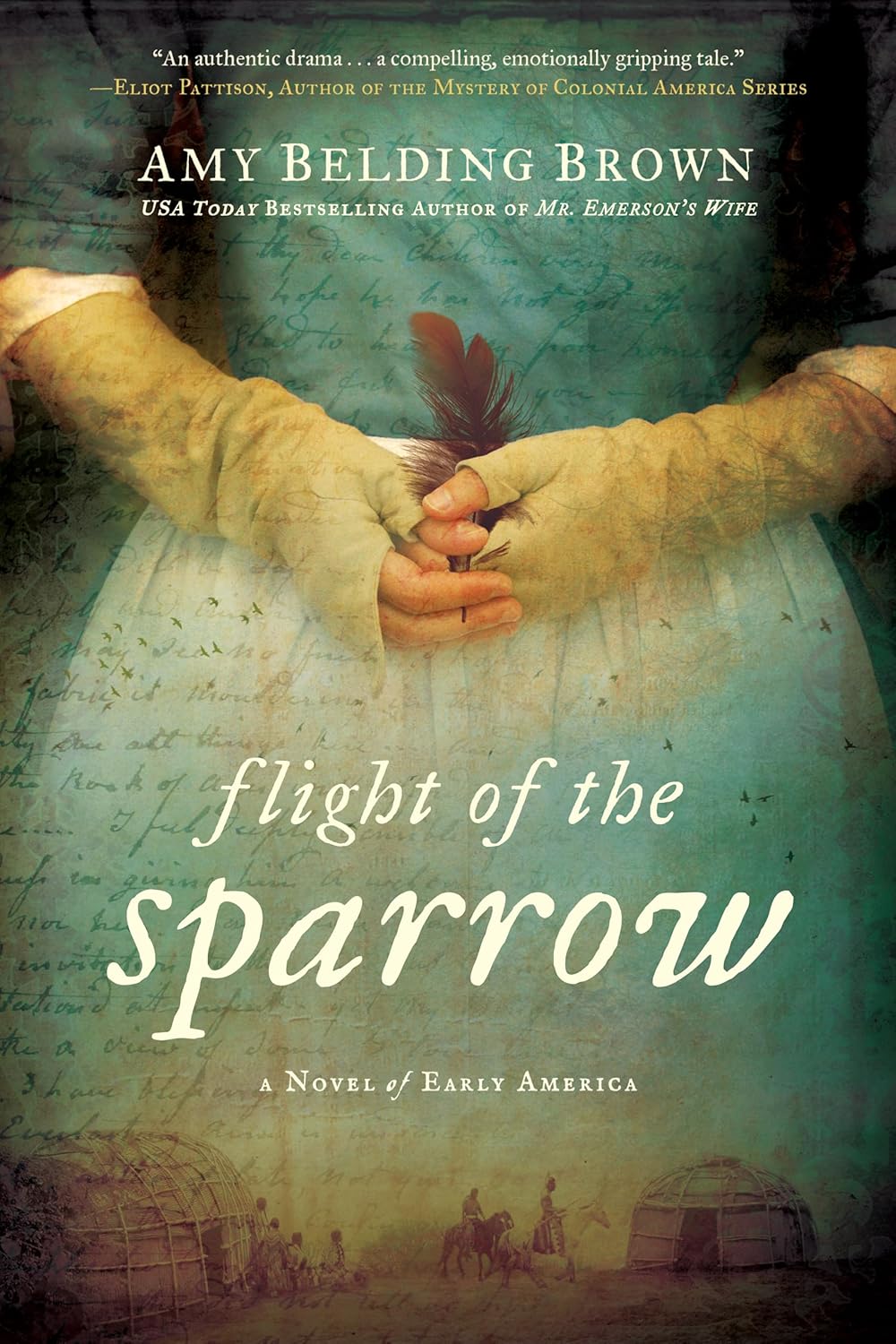
We now travel fifty years ahead from our last read, landing in 1676 on the Massachusetts frontier. Here, English colonists face war with the Native Americans, the land’s earliest inhabitants. Inspired by the events described in Mary Rowlandson’s writings, this book illustrates the experiences of an early woman settler forging a life in a new land, while also revealing what it was like for Native Americans as they were driven further from their ancestors’ homes.
Living in the settlement of Lancaster in the Massachusetts Bay Colony, Mary lives with her Puritan husband and minister, Joseph Rowlandson, and their son and two daughters. She is a dutiful wife and mother, submitting to her husband’s authority. When the Native American hostility worsens, Joseph and his brother-in-law (Mary’s sister’s husband) decide to ride to Boston to bring back soldiers to protect the settlement. After their departure, the Natives attack, killing many and injuring several. Mary, her three children, and twenty others are taken captive during the raid. Mary’s youngest daughter is severely wounded in the attack, and Mary must carry her as they are marched into the wilderness. For three days and nights, the captives are marched farther and farther into the woods, covering rough terrain and crossing rivers with ropes tied around their necks and little food. Once arriving in the Native village, the English survivors are sold as slaves to members of the tribe. For three months, Mary survives her captivity with determination and fortitude. She discovers the things she’s been told about the supposed savages that have captured her are not what she’s always believed. Her time with these so-called heathens opens her eyes to a different culture and way of living that she finds she appreciates and could embrace. These Natives are not possessed by the Devil, as she’s been led to believe.
Reading Brown’s book opened my eyes to the strict, confining life of women in Puritan society. The main theme of the book centers on Mary’s transformation in her understanding of freedom—she initially believes she is free as a Puritan woman, but it is only during her captivity with the Native Americans that she realizes what true freedom entails. The impact of simple acts of kindness that Mary receives during her captivity emphasizes the positive effect these actions can have on a fellow human being. Something we can all do. Sadly, the price of the King Philip’s War in 1676 cost both the English and the Native Americans much. Tragically, since we did not learn from this gruesome time period, history continues to repeat itself.
 Joan's Reading Adventures
Leave a comment